Tag Archives: Jewelry

BEACH GLASS & SEA GLASS

“Do you have beach glass jewelry?”  That is a question I often get when I am exhibiting at an Arts & Crafts Fair.

So, yes, I do work with beach or sea glass, terms which are often used interchangeably (see the images in this post).  As any beachcomber knows, a nice piece of glass is a good find.  An uncommon color, a well worn piece (which is old), a recognizable lettering or name that can help date the piece, these are features we all look for.
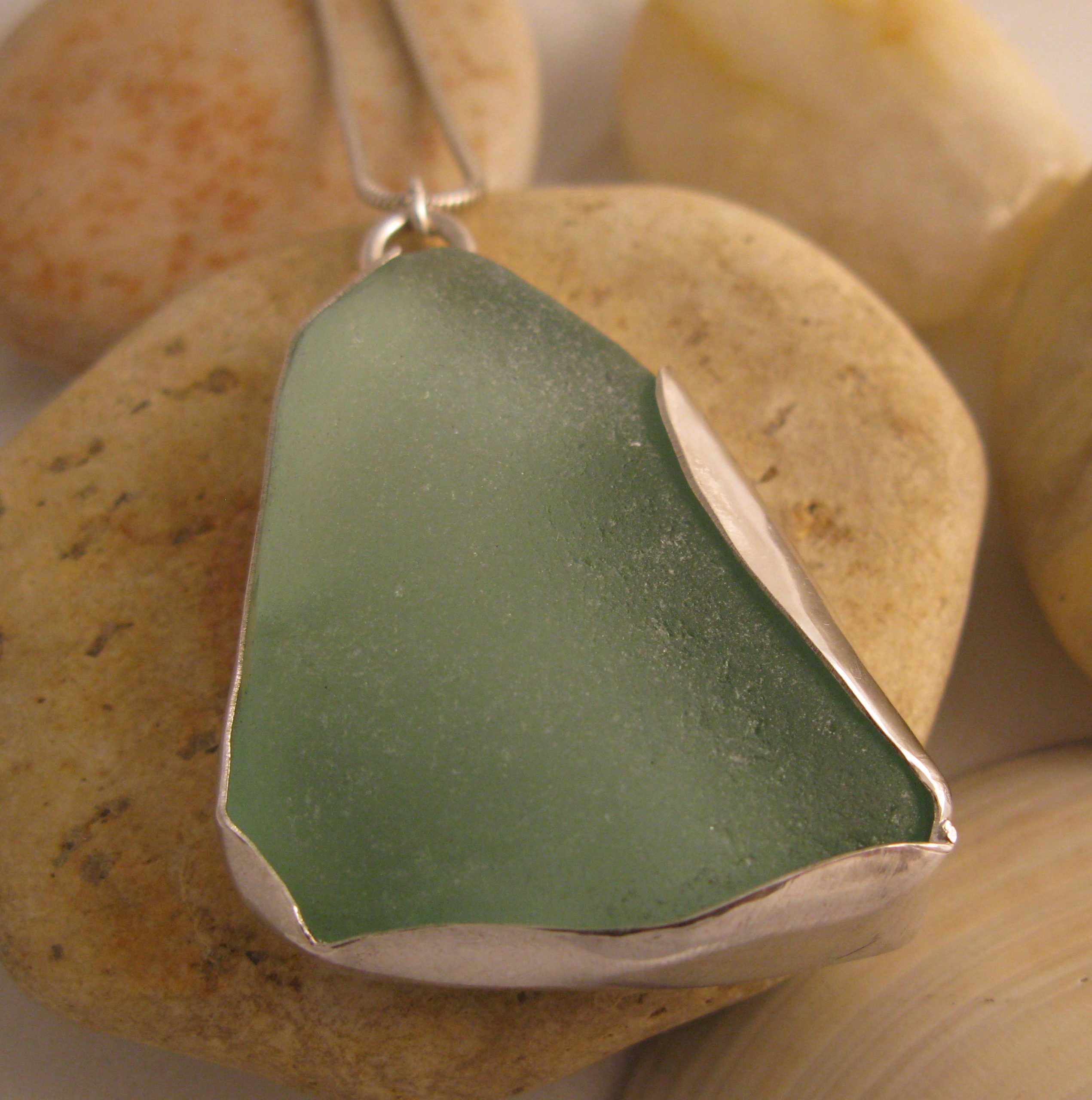
Green Sea Glass pendent in Silver

I have learned that beach glass is very popular.  A search on the etsy.com website for “beach glass” got 12,484 hits and a search for “sea glass” got 22,050 hits.  Those are items for sale, either handmade jewelry, vintage pieces or supplies (such as bundles or bulk lots of beach glass).   Even with so many buyers and sellers, there is surprisingly little knowledge on this product.  So I tried to educate myself and researched the web on beach glass and found some interesting stuff.
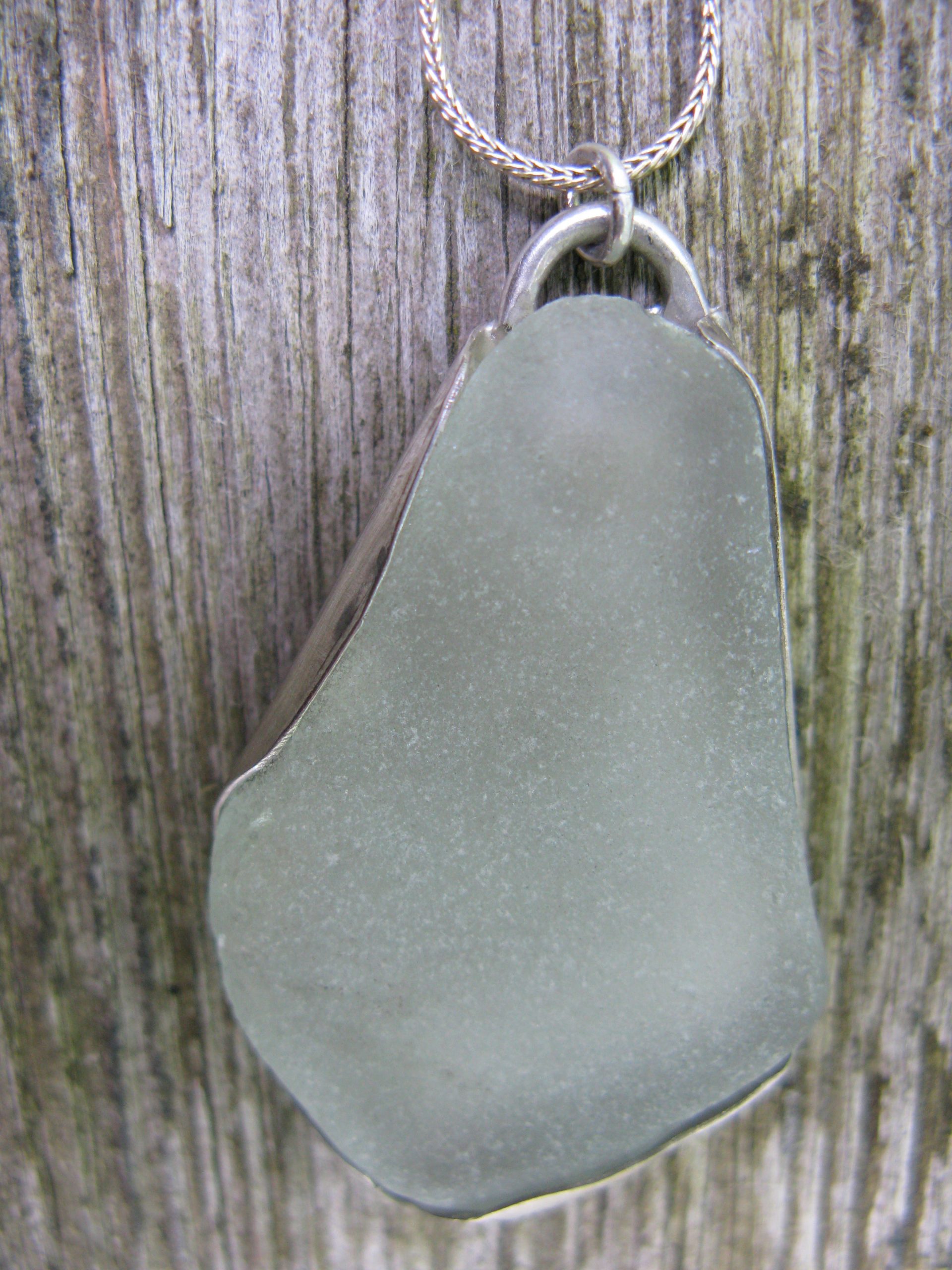
Sea Glass Pendent in Silver

The Wikipedia page on “Sea Glass” is informative.  It is particularly strong on the colors that are sought after and links each color to the possible source: for example red sea glass from old Schlitz beer bottles (1900-1982).  Schlitz was a brewery in Milwaukee, Wisconsin, which became Stroh Brewery and is now Pabst Brewing Company.  As with red glass of Schlitz bottles, there are many examples where the particular color helps to date the glass.

Much of this information comes from a book written by LaMotte, who is referred to as the “Godfather of  Sea Glass”.   LaMotte together with Charles Peden founded the North American Sea Glass Association (NASGA).  Their website has news about the Sea Glass Festival in October.  A very useful page compares natural (genuine) sea glass, versus “craft glass” (or artificial glass) tumbled in drums rather than by the action of waves over many years.   You can also find information on antique bottle collecting and a link to Antique Bottle Collector’s Haven!  On this site you can appraise your antique bottle and date it.
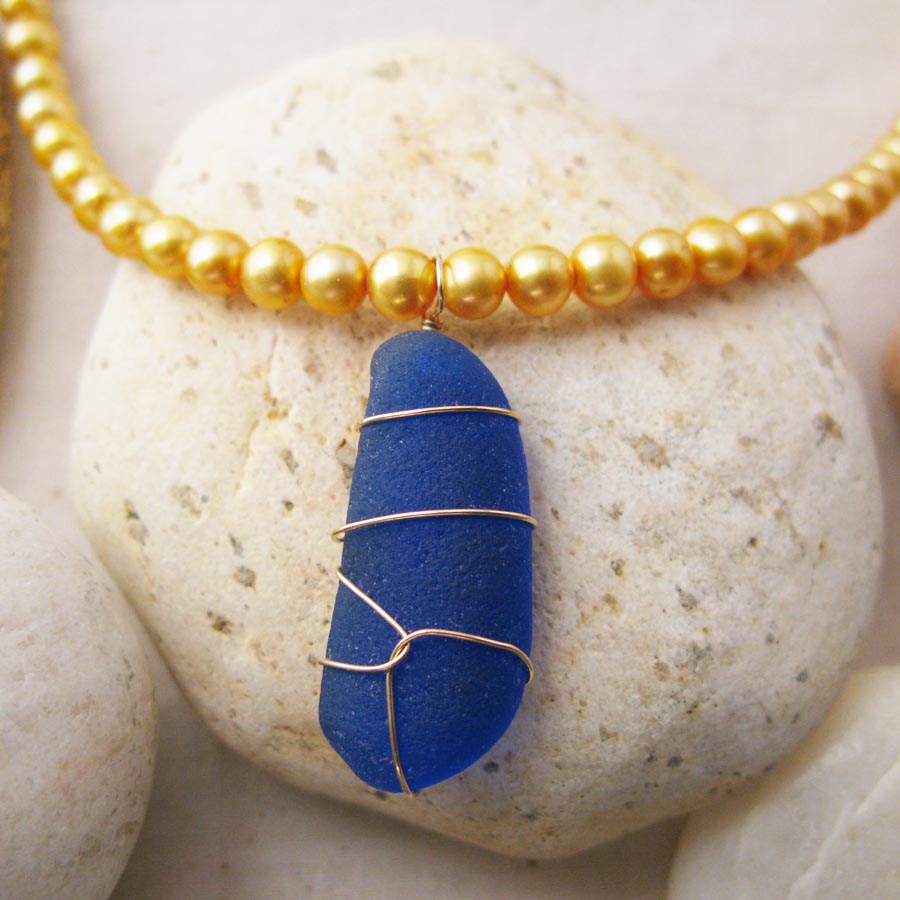
Blue Sea Glass pendent

An interesting article describes the amethyst color brought out by sunlight over the years.  It is due to manganese dioxide that was added to glass prior to the 1920s to produce colorless glass by counteracting the natural green hue from iron.  Manganese when exposed to UV light over the years turns to an amethyst color.
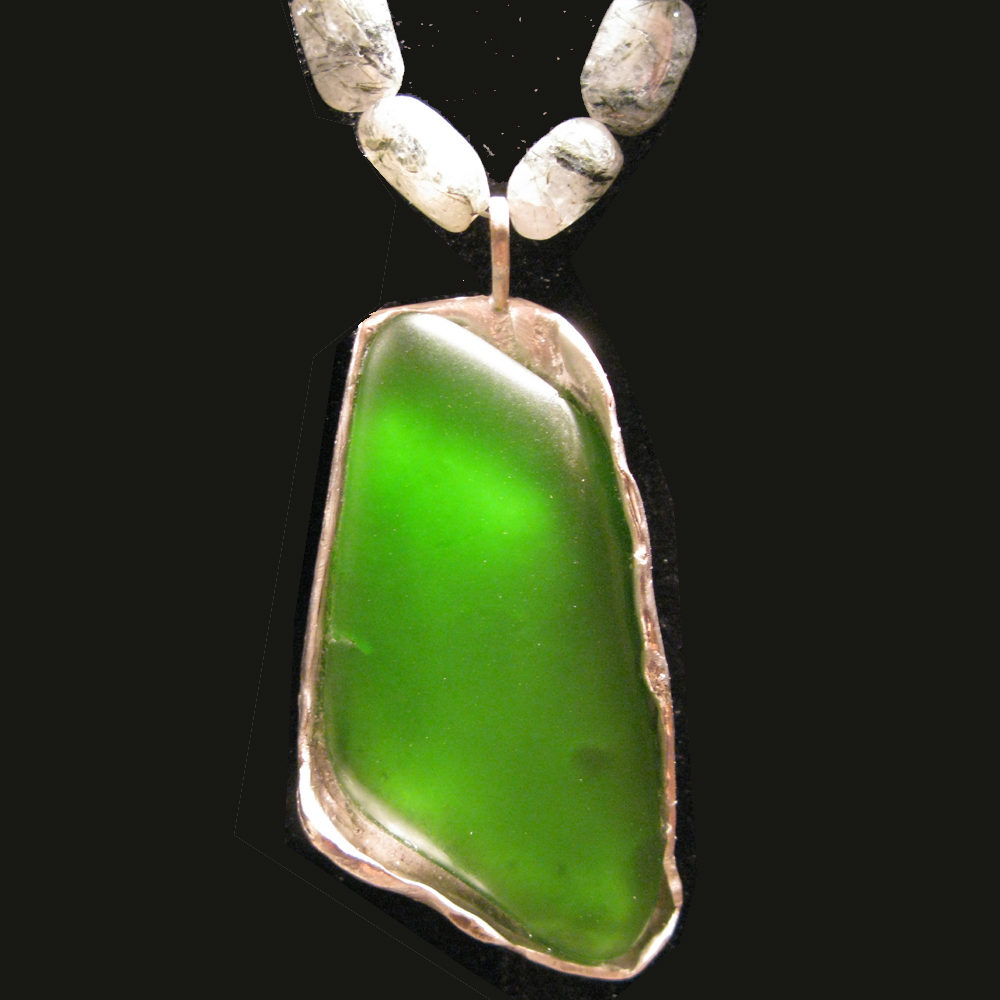
Green Sea Glass Pendent in Silver

A frequent query is about which beaches have sea glass.  It turns out that old dumping sites are where you need to go.  There are a few well know ones such as Glass Beach in Fort Bragg CA.   But also many others world wide.  Storms are supposed to unearth old sites of beach glass.  But I think you are better off asking locals about where the town dump used to be 50-100 years ago!  A how-to-method for walking the beach and scouring for beach glass can also be found on the web.  I have a page on the 40 Beaches of East Hampton town.  Some of these beaches contain lots of sea glass, in particular around the ‘Promised Land’!

Finally I found an interesting story about Louise Rogers who made a fortune with her hobby of collecting sea glass.  She has over a million pieces that she found personally.

For now,  take care and happy beachcombing.  David

Genie, is a dear friend.  She reminded me of this piece I made for her a few years ago.  It is a glass bottle neck with a sapphire in silver.  I had forgotten about it!  (photo courtesy of Genie Posnett)

Genie’s Sea Glass Necklace

I have also got some new sea glass pieces listed in ETSY.

Red Diamonds

Most of us do not realize that diamonds come in different colors. The typical clear and sparkling diamond is what De Beers has marketed for 100 years or so…but if you want to own something truly unique consider this.

Diamonds have an extremely rigid lattice. They can be contaminated by very few impurities. Thus the clear, colorless appearance of those diamonds designated ‘gem quality’. Small amounts of impurities (about one per million of lattice atoms) will color a diamond blue (boron), yellow (nitrogen), brown (lattice defects), green (radiation exposure), purple, pink, orange or red! ‘Plastic deformation’ is the cause of color in some brown and perhaps pink and red diamonds.

In 2008, the Wittelsbach Diamond, a 35 carat blue diamond, once belonging to the King of Spain, fetched over US$ 24 million at a Christie’s auction.

“Black” diamonds are not truly black, but rather contain numerous dark inclusions.

White dwarf stars have a core of crystallized carbon and oxygen nuclei. The largest of these found in the universe so far, BPM 37093, is located 50 light-years away in the constellation Centaurus. The Harvard-Smithsonian Center for Astrophysics described the 2,500-mile (4,000 km)-wide stellar core as a diamond. It was referred to as Lucy, after the Beatles’ song “Lucy in the Sky With Diamonds”.

I was recently on ETSY, a site for handmade crafts including jewelry. I searched this huge site with about 250,000 virtual shops for ‘red diamonds‘. Click and take a look.

Gold ring with rough diamonds: 2 are yellow and 2 are red.

There are more red diamonds here.

JEWELRY FOR ANIMAL LOVERS

We recently saw an amazing documentary: “Cave of Forgotten Dreams” by Werner Herzog. This film describes artwork created some 30,000 to 40,000 years ago at a time when woolly mammoths reigned. The depictions of animals, such as horses, rhinoceros, and lions, are incredibly sophisticated and the artist even employs animation methods to give the impression of movement. I take this as evidence that animals have long been a favored subject of artists, even when we were still cave dwellers.

During the Renaissance, Albrecht Durer (1471 – 1528) was a master artist famous for his prints. Beautifully detailed pictures of animals (and plants) testify to his love of nature. Interestingly Albrecht’s father was a goldsmith.

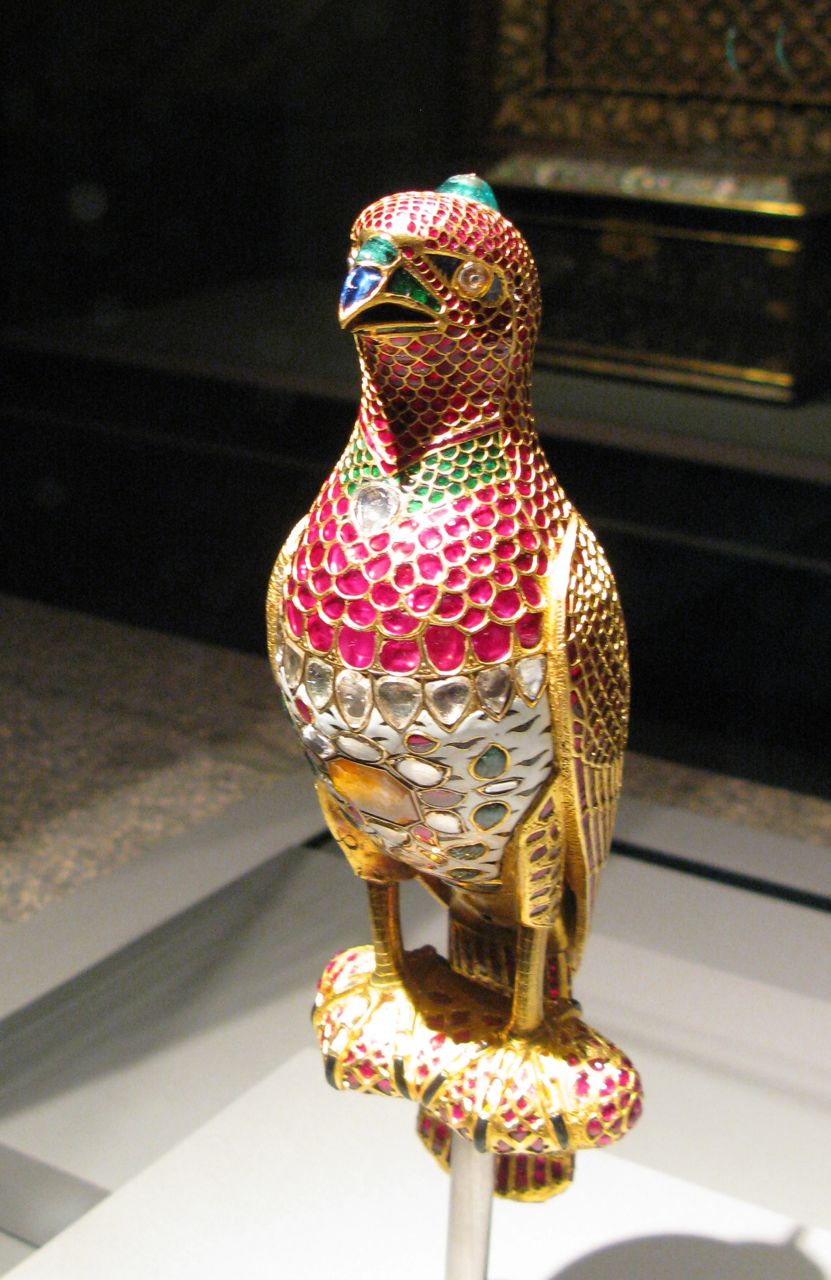
Shah Jahan, famous for building the Taj Mahal, had a fabulous statue of his falcon made. It is completely covered in precious jewels. I saw this piece in the Museum of Islamic Art in Doha, Qatar, and have previously posted on this topic. So I take it that jewelry representing your favorite pet is an age-old thing!

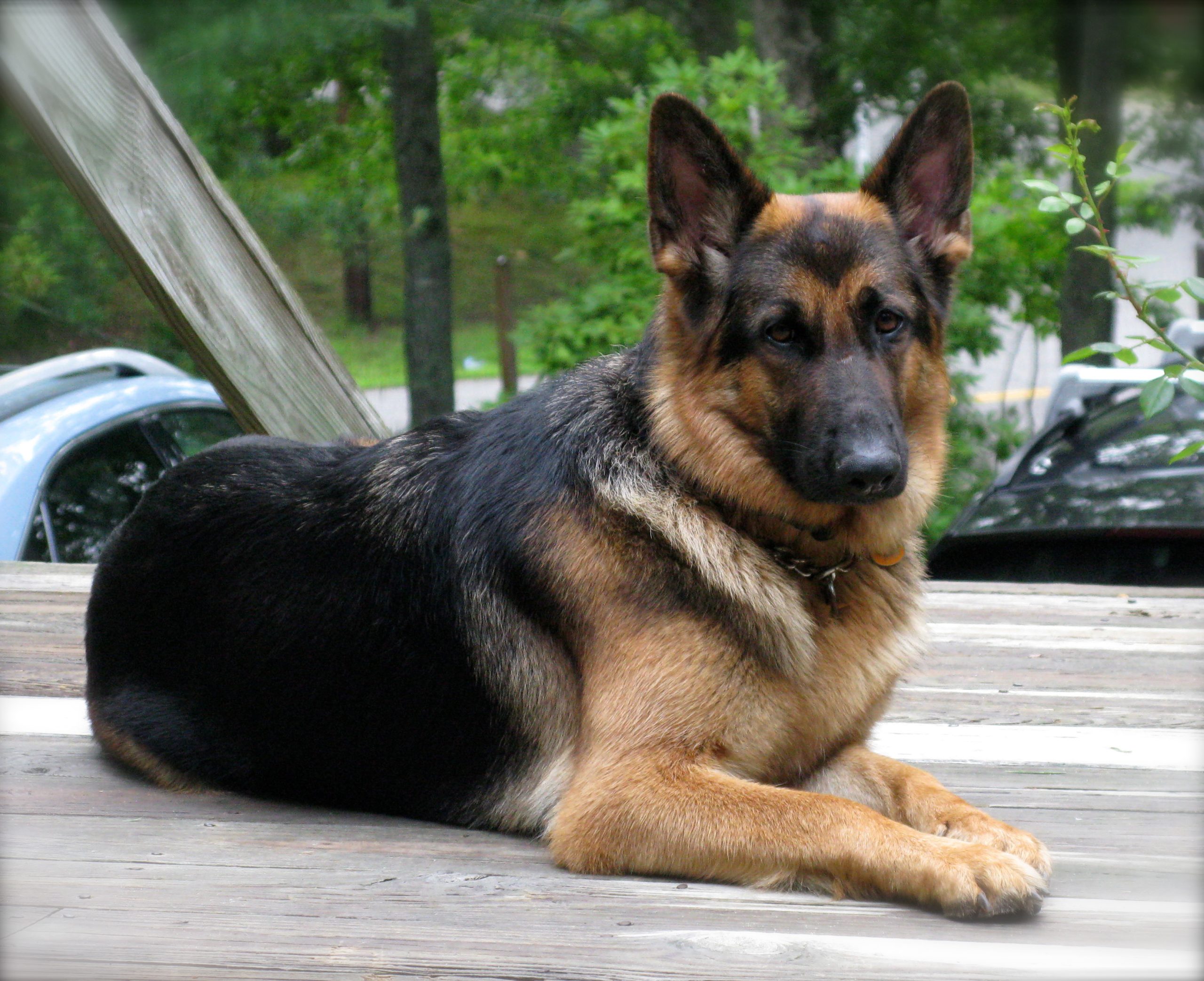
I have a favorite pet too. My dog Kenda, a two year old german shepherd:

Kenda

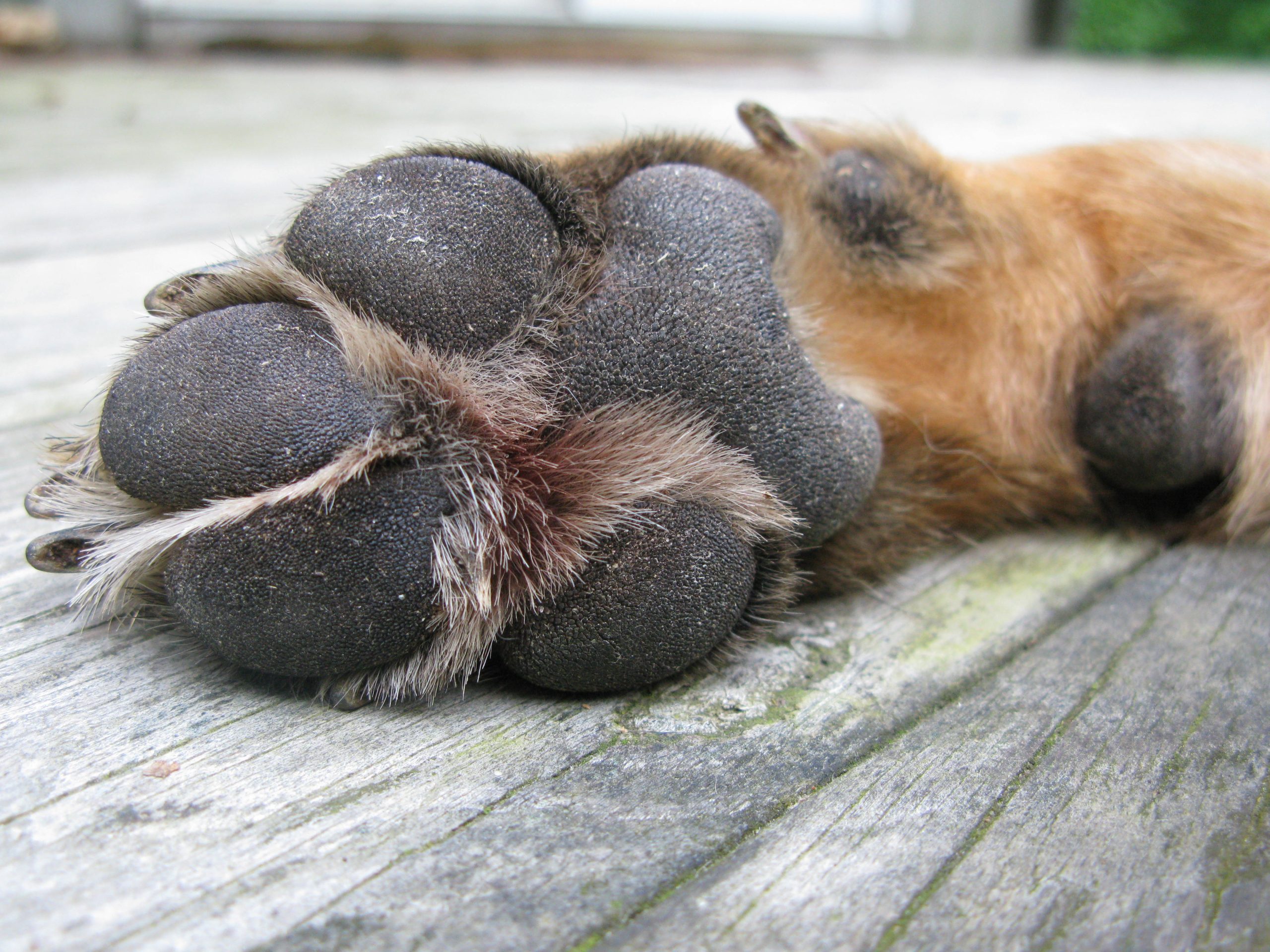
I have studied her paws and her paw prints (such as her tracks in the snow):

Paw of German Shepherd

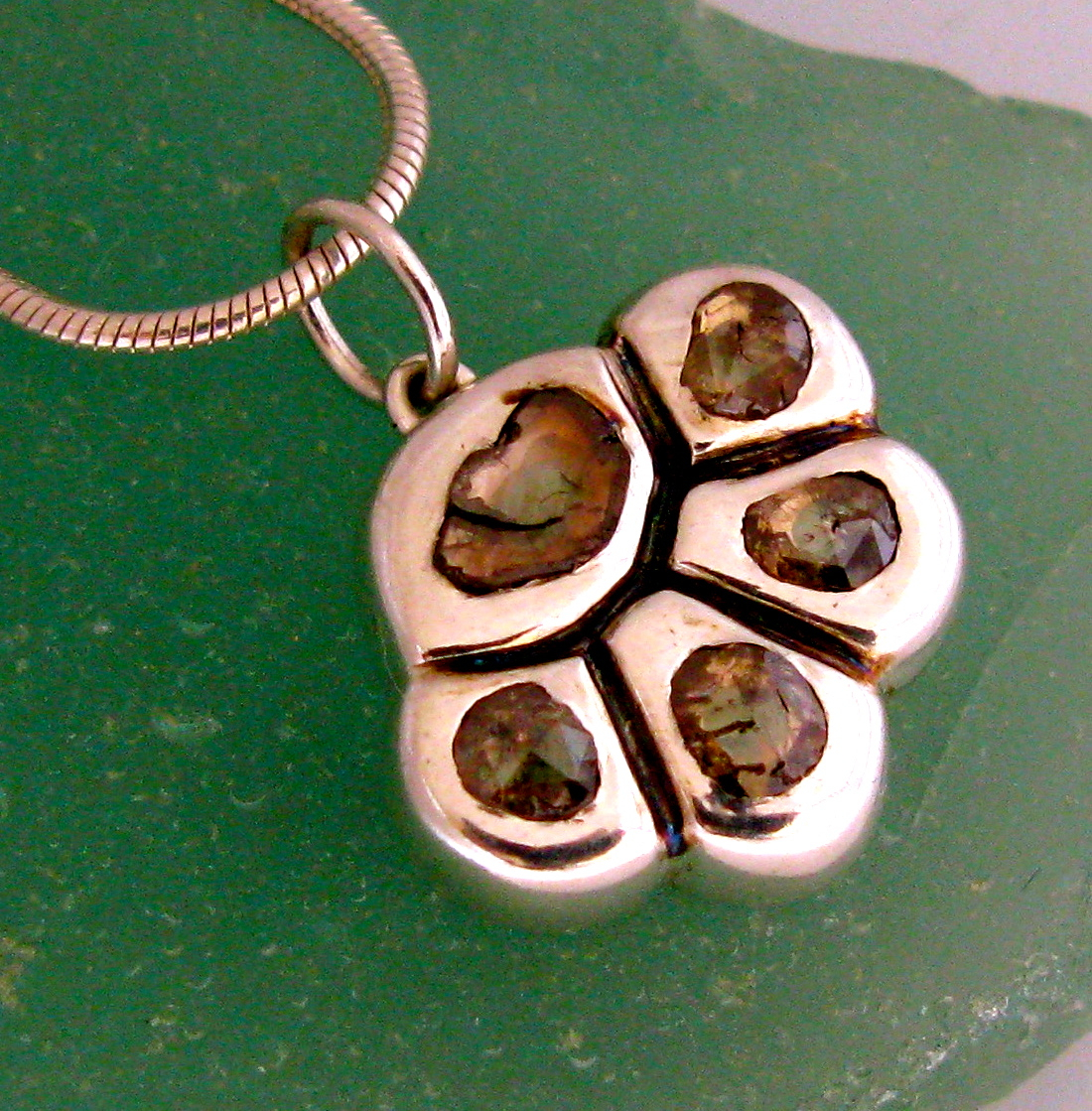
And here is an example of jewelry depicting her paw. This one is in Sterling silver with chocolate diamonds. It is a pendent about 3/4 inches in diameter and hangs on a silver chain:

Dog paw pendent with chocolate diamonds

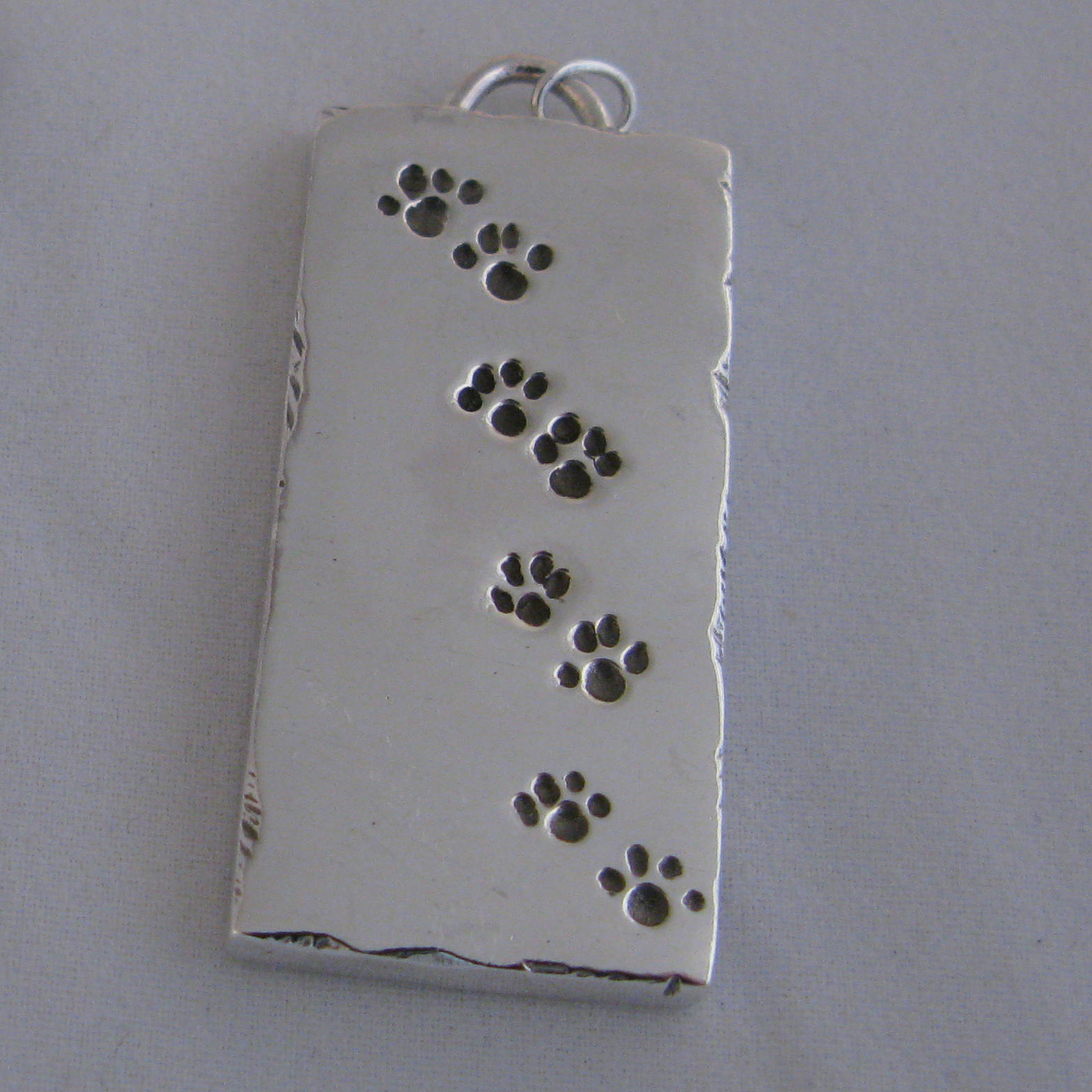
This is a small silver plaque with paw prints etched on it. The idea came from my fantastic dog trainer, Gail Murphy. Kenda loves Gail more than anyone. You can have the name of your dog etched or hammered on to this plaque. This pendent was recommended by our local news e-media, the patch.com, as a Christmas gift.

Dog Paw Tracks

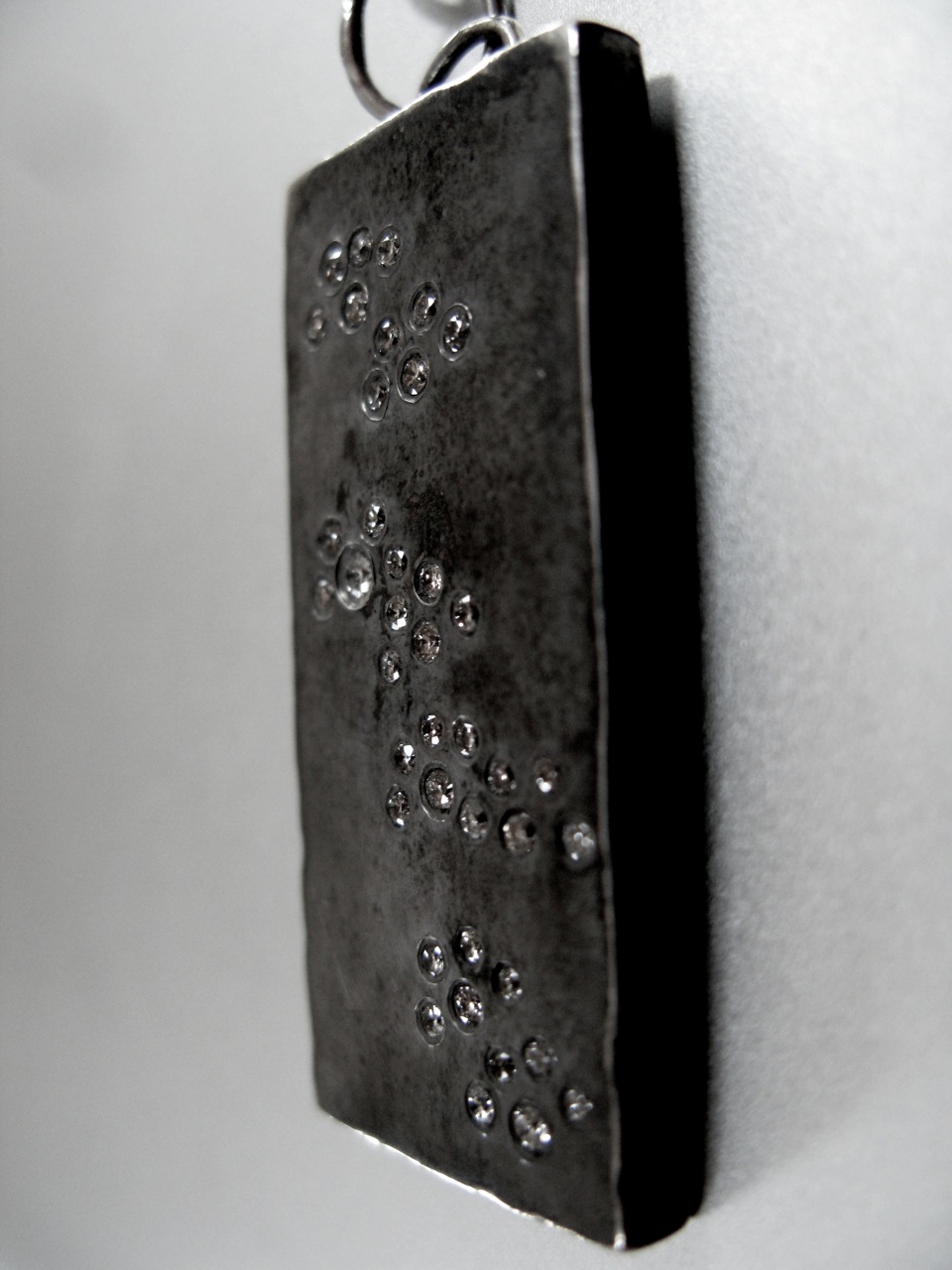
And here is an expensive dog tag with 40 little diamonds!

Diamond Dog Tag

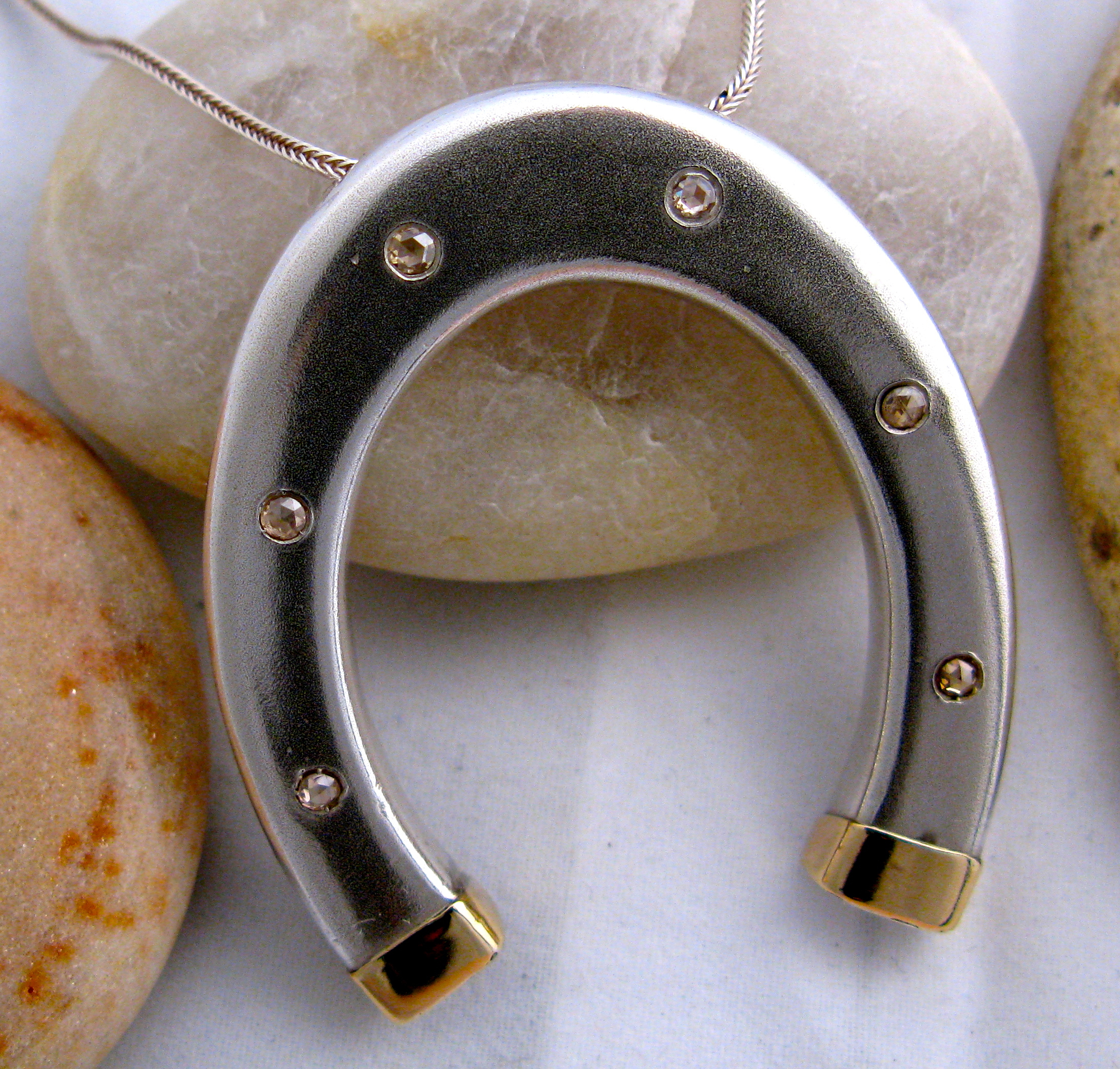
For the equestrian horse enthusiasts, here is a horse shoe in Sterling silver with gold caps and diamond nails!  Personal variations are quite in order.  One customer ordered this item with blue sapphires to emulate the horse shoe symbol of the Baltimore Colts football team!

Horse Shoe Pendent

Horse Shoe Pendent

I would really love to hear from you, specially all of you with pets.

JEWELRY IN THE MUSEUM OF ISLAMIC ART, DOHA (Qatar)

OK! This is only in part about jewelry… I am writing from Doha in Qatar. I am here on business for my 3rd annual trip.

But this time I got to visit the newly opened Museum of Islamic Art. It is a majestic structure on the Corniche (bay) of Doha built by IM Pei, arguably the most noted present day architect of museums, having designed the East Wing of the National Gallery of Art in Washington DC, the pyramid structure of the Louvre in Paris, and the Miho Museum in Japan. Seen from certain angles the museum in Doha looks like a veiled woman. There are many breathtaking vistas of Doha from the Museum. The Museum of Islamic Art covers a lot: 7th to 19th century art and artifacts including textiles, metalwork, scientific and astronomic instruments, architectural design, carpets, paintings, lots of calligraphy, glass and ivory objects, and jewelry! The latter is why I went in the first place, of course. The museum is a “must see”.

The objects on exhibit are very carefully chosen and well displayed. Here are some of the highlights I found:

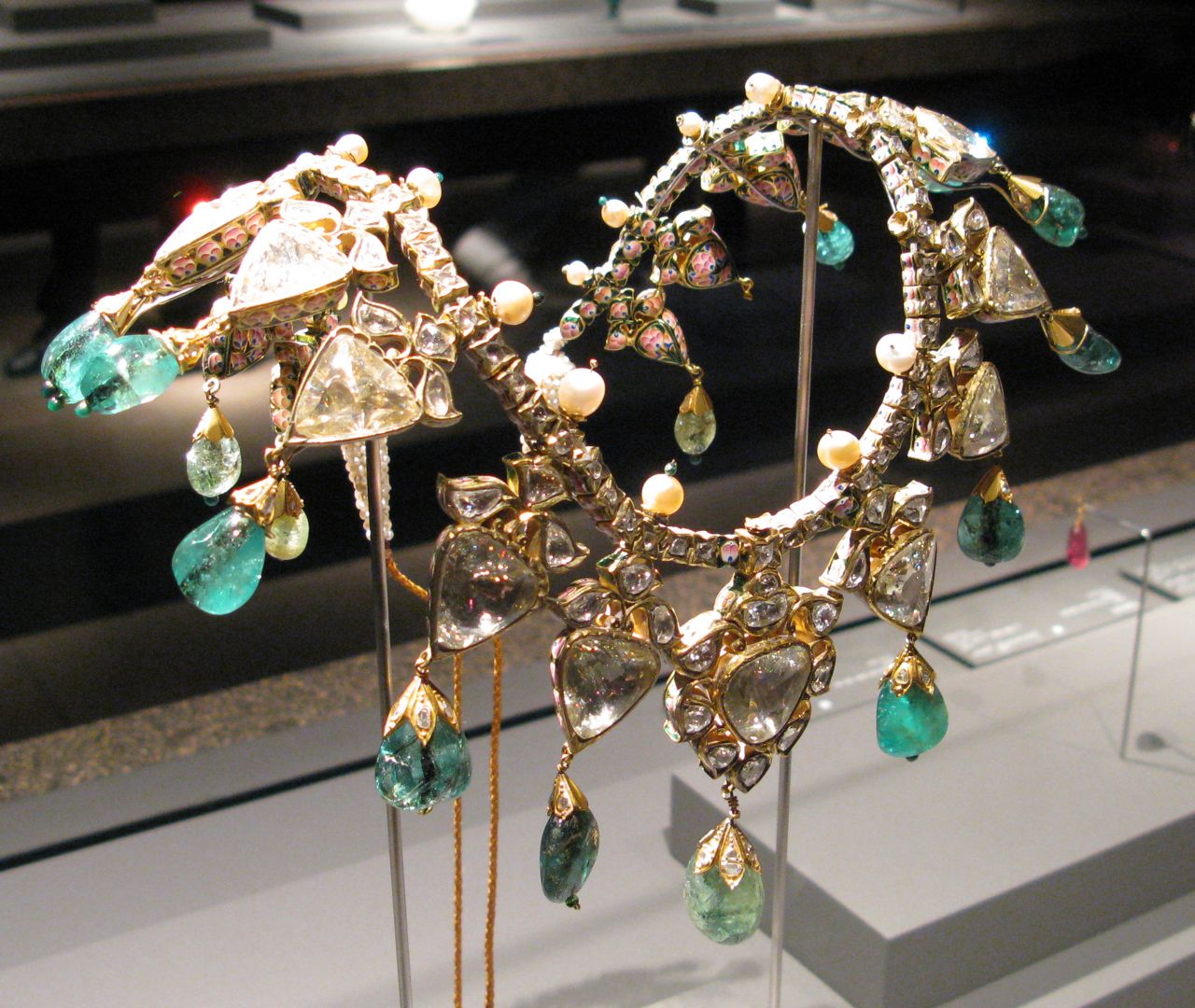
A monster necklace belonging to the Indian 17th century Mughal emperors Jahangir and Shah Jahan sporting one inch pink spinels (some of which are engraved with the emperors names), diamonds, pearls and gold.

Emeralds and huge diamonds on this necklace.

A haldili of Shah Jahan. This is a calligraphic jade pendant worn to cure the wearer of heart palpitations. The emperor wore this to help him recover from grief after the death of his beloved wife Mumtaz Mahal in 1631.

Unbelievable paired gold filigree bracelets, worn on both wrists during the Fatimid period in Egypt/Syria from the 11th century. Similar ones are depicted here.

And, my favorite, the Jeweled Falcon, also from Shah Jahan, and dated 1640. This 10 inch bird is completely covered with gold, enamel, inlaid rubies, diamonds, emeralds, sapphires and onyx!

Shah Jahan’s pet Falcon

This museum is well worth a visit, even a detour, to Doha if you are in this area of the world.

On my way home, I decided to walk. It was 5:30 PM and the hotel was on the other side of the Corniche. I guessed, maybe 4 miles away and about 1 hour at a brisk pace? There was lightening in the distance and the sky looked ominous. Would I get drenched? The Corniche is bordered by park grounds, and this is where people spend their time off, along the water. It is a great walk to observe people.

Doha is such a clash of cultures, I thought. There is the traditional, the veiled women in a black abaya and/or hijab, men in white thobes with a white or red checkered ghutra covering the head, mosques everywhere in the background. And there are the young people who wear jeans and tee shirts with English words on them. One such shirt read: “Everybody wants to be just like me!” I smiled at the young man and he smiled back. One young woman was sitting on a bench, completely veiled in black abaya, but she was wearing hot pink high-healed shoes!

On the water there were young men on jets skis going at top speed perilously close to the rocky shore, or doing flips in the air and crashing in to the water to the applause from the walkway! Then there were joggers, perhaps a dozen: all men, except for one woman in a sports bra. This is just like Central Park, in New York, I thought. These joggers were likely not Qataris. I think they were what are called “guest workers” or “ex-pats”. For every Qatari, there are about 5 or 6 guest workers in this country. Many have menial jobs maintaining the hotels or building the high rises under construction everywhere. They come from the different countries lining the Indian ocean. There has been concern about how they are treated, for example in neighboring Dubai. Others are from Europe or the United States. There are major international companies with a large presence in Qatar, such as the French oil and gas company Total. I had previously met some French people working in Doha for Total.

I passed the Emirs’ palace, a government building. Then there is a 36 foot clam shell with a pearl in it, a well know landmark sculpture in town. I passed Balhambra, a local restaurant on the water, and the large statue of Orry the Oryx, a Qatari version of a Disney character it seemed to me.

I passed enormous billboards for QNB (Qatar National Bank) offering mortgage loans to young Qatari couples! Behind the billboards, one high-rise under construction after the other. I tried to remember the name of the construction companies: Al Jaber was one of them. I passed a new high rise called Al Bidda: a twisted triangular structure, not much to my liking.

Finally, I passed through a lovely large meadow with a playground, swings, sand, lots of kids chasing balls, or one another. In the shadows of the park there was even a couple being affectionate, but as I approached they shrank away from one another. Then a long row of flowering white Rhododendron plants leading up to the pyramid structure of the Sheraton hotel.

That is all for now. Take care. David

The Souk in Doha

CALDER Jewelry

If you love jewelry and you are in the New York City neighborhood, you have got to see the current exhibit at the Met (Metropolitan Museum): Calder Jewelry.

Wow it is truly a great exhibit…I saw it last week and read the entire book 280+ pages with great photography.

Alexander Calder is a giant in the art field for having discovered a new dimension in art: mobiles. What most people do not know is that he made jewelry throughout his life, 22 July 1898 – 11 November 1976. It was not commercial but rather intended for friends and family. It’s mostly brass, steel, and silver. Very clever pounded wire techniques. A ‘must see’ for anyone who makes jewelry themselves.

Some of my favorites:

the engagement ring for his future wife discussed in this NY Times article .

a super modern necklace that he made in 1943!

and the mobile ear rings! Imagine wearing those.

Enjoy!

take care, David